
Reggaetón Collaborations: What Took So Long?
For Latinos, reggaetón has long been a beloved and essential music genre.
Born from a fusion of Jamaican dancehall, reggae en español, el underground, and American hip-hop, the genre has long been a powerful tool for speaking out against oppression and giving voice to marginalized communities.
It has also served as a source of pride for many urban, low-income communities that have been historically underrepresented. Indeed, in its earliest days, many reggaetón songs alluded to the discrimination experienced by Black English-speaking Panamanians. From the outset, this made reggaetón not just a music genre but a vehicle for social commentary and a form of activism.
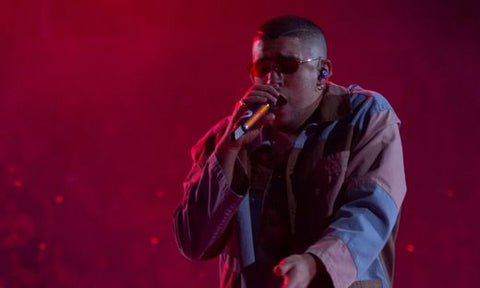
Its underlying spirit has lived on through modern-day artists, such as Bad Bunny, who have used their platform and artistic abilities to showcase the current obstacles facing society through their music.
And the popularity of these artists has seen its popularity snowball in recent years. Between 2016 and 2017, the number of Spanish-language songs on the Hot 100 chart skyrocketed from four to 19, becoming the fifth-largest music genre in the United States. Puerto Rican reggaetón artist, Luis Fonsi, meanwhile, boasts the coveted title of being the second-most streamed video in history, with "Despacito".
Now, big names in the mainstream pop world are tapping into the power of reggaetón by collaborating with its most celebrated artists. Justin Bieber, Ed Sheeran, and many others have teamed up with reggaetón artists such as Bad Bunny and Daddy Yankee to produce chart-topping hits that have taken the world by storm.
But while many see it as a sign of cross-cultural appreciation, some critics have raised concerns that these pop stars are simply trying to boost their own profiles by piggybacking on the success of reggaetón without respecting the genre’s roots as a voice for marginalized communities.
The rise of reggaetón collaborations
Collaborations between English-speaking artists and Latino reggaetón artists have been taking place for nearly two decades.
Back in 2005, Daddy Yankee collaborated with US rapper Snoop Dogg on "Gangsta Zone" and again with Fergie in 2007 for “Impacto”.
Don Omar joined forces with Fat Joe, N.O.R.E., LDA, and Manuel Alejandro Ruiz for 2005's "Reggaetón Latino". And in 2009, Wisin & Yandel featured 50 Cent and T-Pain in the popular hit, "No Dejemos Que Se Apague".
However, collaborations have exploded in recent years, becoming not only popular songs but record-breaking hits. DJ Snake featured Cardi B, Ozuna, and Selena Gómez on the smash hit "Taki Taki.", which debuted at No. 1 on Billboard's Hot Latin Songs Chart in 2018 and Justin Bieber’s inclusion on "Despacito" became the most streamed song of all time, according to Universal Music Latin Entertainment.
But where before, non-English-speaking artists would typically ask (and potentially pay) for a collaboration with a US star, now the reverse is true.
And some suggest that the increasing appearances of English-speaking artists only now is telling. Reggaetón has skyrocketed in popularity in recent years and, the thinking goes, in order to remain relevant, English-speaking artists are suddenly jumping on the bandwagon.
In other words, the recent explosion in such collaborations suggests a desire to tap into the success of reggaetón rather than because it will bring its messages and values to a wider audience. For some, this is viewed as a form of cultural cherry-picking, in which white English-speaking artists pick out the parts of Latino culture that suits their commercial interests while overlooking the traditions or meanings behind them.
“Though non-English vocals might not dominate the charts in all English-speaking countries, its impact in recent years is undeniable,” writes Sam Higgins in Vogue. “English-speaking artists are recognizing the success of their Spanish peers – and realizing the possibilities that open up.”
Are music collaborations a good thing?
Collaborations between English-speaking artists and Latino artists have been on the rise in recent years, with many of these collaborations resulting in chart-topping hits. However, not all of these collaborations are created equally. Some songs can feel like a forced fusion, orchestrated by record labels in the hopes of achieving wild success.
For example, Madonna's 2019 single "Medellín" featuring Maluma, peaked at No. 18 on the Billboard US Hot Latin Songs chart. However, it received mixed reviews, with one criticism stemming from Madonna's lyrics that seemed to make light of the city's drug violence. The singer's non-local status only amplified the backlash.
However, there are collaborations that feel more organic and successful, such as New York rapper Cardi B's hit song "I Like It" featuring J. Balvin and Bad Bunny.
The fusion of rap and reggaetón flows naturally, and Cardi B's Dominican heritage undoubtedly adds a degree of authenticity to the song. The music video has amassed over 1.2 billion views on YouTube and won Song of the Summer at the MTV Video Music Awards.
In this sense, music collaborations can be seen to produce a healthy challenge for artists, especially when the artist they team up with produces other genres of music. Working together increases the artist's creativity and allows both to learn skills and techniques from one another.
It also allows artists to enter a new creative process in which they can complement each other's strengths while reaching new audiences. For example, speaking about his motivation to bring Beyoncé on the remix of "Mi Gente," J Balvin said: “I don’t want to make music only for Latinos.”
But it’s also important there is a genuine connection and understanding of each other's cultures to make it work. When done right, these collaborations can broaden the reach of Latin music and showcase its vibrancy and beauty to the world.


